First lit
1859
The lamp first shone on August 1
Fenwick Island, Delaware
Visit the 1859 light station at the Delaware–Maryland line, learn how its lens guided mariners, and plan around the current seasonal schedule.
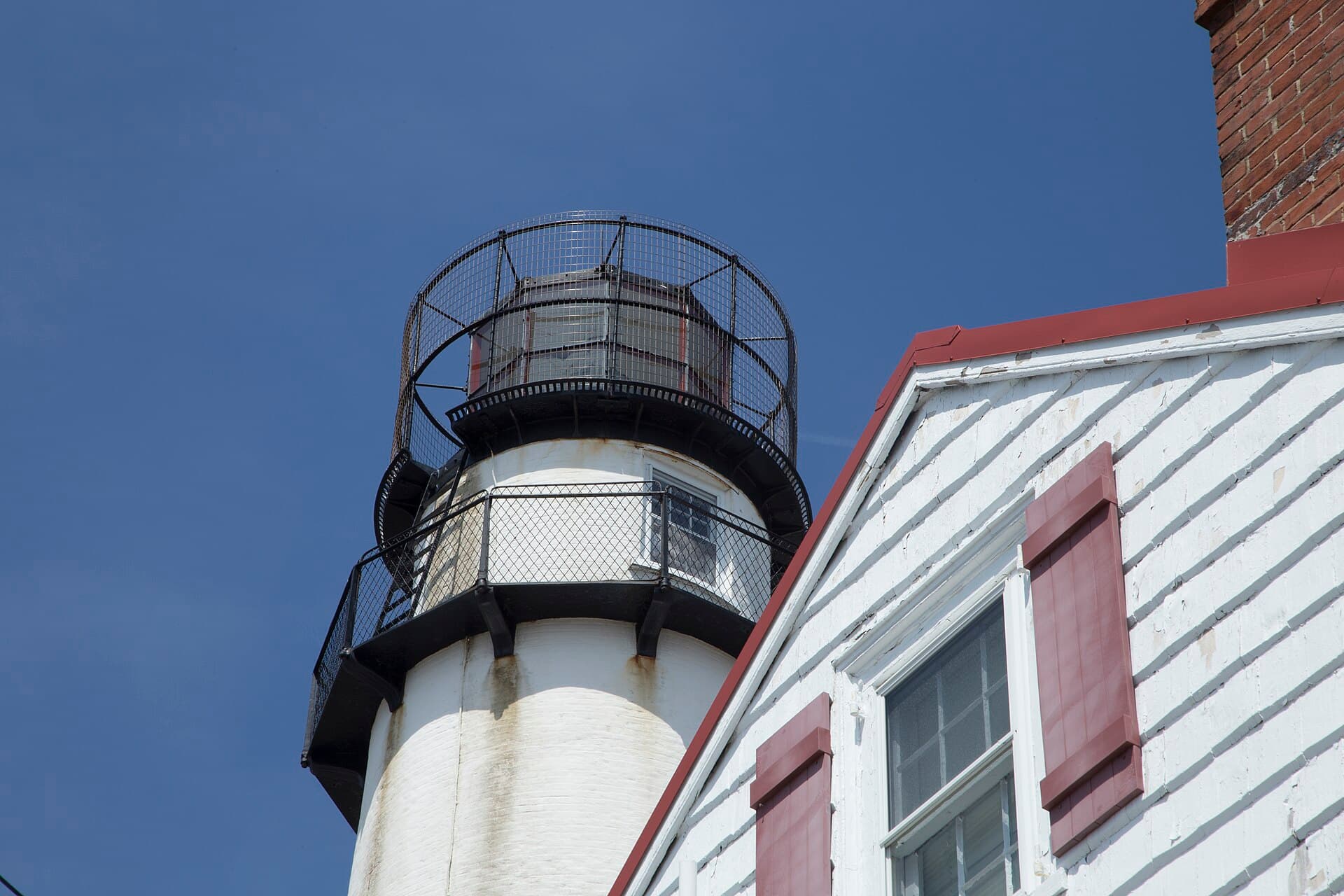
Fenwick Island Light Station, first lit August 1, 1859Photo: Sydchrismom / Wikimedia Commons · CC BY-SA 4.0
First lit
1859
The lamp first shone on August 1
At the state line
146th St.
Near the Transpeninsular Marker
Visitor access
Seasonal
Published hours vary by month
Tower height
87 feet
A working light and museum
A light at the line
In the mid-nineteenth century, shipwrecks near Fenwick Shoals—about six miles offshore—prompted the United States Lighthouse Board to recommend a station. Congress authorized the project in 1856, and the lamp was first lit three years later.
The station was placed just feet from the Transpeninsular Marker, the historic point that defines the Delaware–Maryland boundary. The location still gives the lighthouse a special role: it is both a maritime landmark and an easy orientation point when you are exploring the southern end of Fenwick Island.
Before you go
The New Friends of the Fenwick Island Lighthouse publish a month-by-month schedule. The State of Delaware does not allow climbing, and the site closes on rainy days.
Summer 2026
| Dates | Days | Hours | Notes |
|---|---|---|---|
| April 1–May 31 | Saturday & Sunday | 9 a.m.–noon | Closed Easter Sunday |
| Memorial Day weekend | Saturday & Sunday | 9 a.m.–noon | — |
| June 1–30 | Friday–Sunday | 9 a.m.–noon | — |
| July 1–August 31 | Thursday–Monday | 9 a.m.–1 p.m. | — |
| September 1–30 | Friday–Sunday | 9 a.m.–noon | — |
| October 1–30 | Saturday & Sunday | 9 a.m.–noon | — |
| November 1–April 1 | Closed | — | — |
Information checked August 2, 2026. Seasonal access and weather closures can change; posted signs and official updates take precedence.
Look closer
Even without a tower climb, the light station rewards a slower look at its construction, lens and place in the landscape.
Detail 01
The 87-foot structure has a conical outer brick tower and an inner brick cylinder. That unusual construction is part of what makes the station distinctive.
Detail 02
The official history identifies the present optic as the original third-order Fresnel lens, returned to service after the light was restored.
Detail 03
The light station sits just feet from the Transpeninsular Marker, the historic point that defines the Delaware–Maryland state line.
1856
After shipwrecks near the shoals, the United States Lighthouse Board recommended a station. Congress authorized $25,000 for the project.
1859
The station was completed and its lamp was first lit on August 1. The original third-order Fresnel lens focused the beam far out over the ocean.
1978–1982
The Coast Guard decommissioned the light in 1978. After local advocacy, the station passed to Delaware and was relit with electricity in 1982.
Quick answers
The essentials for deciding when to stop, what you can see and how to make the lighthouse part of a Fenwick Island day.
No. The current official visiting-hours page says the State of Delaware does not allow climbing. Visitors should plan for a ground-level historic stop rather than a tower climb.
The station publishes seasonal visiting hours from April through October. The schedule changes by month, and the site says it closes on rainy days, so check the official page before traveling.
The lighthouse is at 146th Street in Fenwick Island, Delaware, close to the Transpeninsular Marker and the Delaware–Maryland line.
Yes. The official history lists the light as operational and describes the current use as a museum and private aid to navigation. Its beam was historically visible about 15 miles out to sea.
Keep exploring
Connect the lighthouse with beaches, bays, shipwreck stories and the places that make Fenwick easy to linger in.
Find beach access, town rules, local shops and places to eat.
ExplorePair lighthouse history with ocean beach, bay access and trails.
ExploreKeep the maritime-history theme going with shipwreck artifacts.
ExploreExplore lighthouses, boardwalks and landmarks across Delmarva.
ExploreRead the official lighthouse history for the keeper, lens and light-station story. Information and hours were reviewed August 2, 2026.